Its core functions include: outputting torque to drive the drill pipe and drill bit to rotate, completing the cutting of soil/rock formations; collaborating with the feeding mechanism to lower or lift the drilling tool; some are integrated with a tripping device to automatically connect and disconnect the drill pipe, and are compatible with various drilling processes.
According to the power source, it can be divided into two types: Hydraulic power heads are driven by a hydraulic system, featuring large torque, a wide speed adjustment range and strong overload protection, suitable for medium-deep holes (100-1000 meters) and hard rock formations (such as granite); Mechanical power heads rely on gear transmission from motors/diesel engines, with a simple structure and low maintenance costs, applicable to shallow holes (within 100 meters) and soft formations (such as soil layers and sand layers).
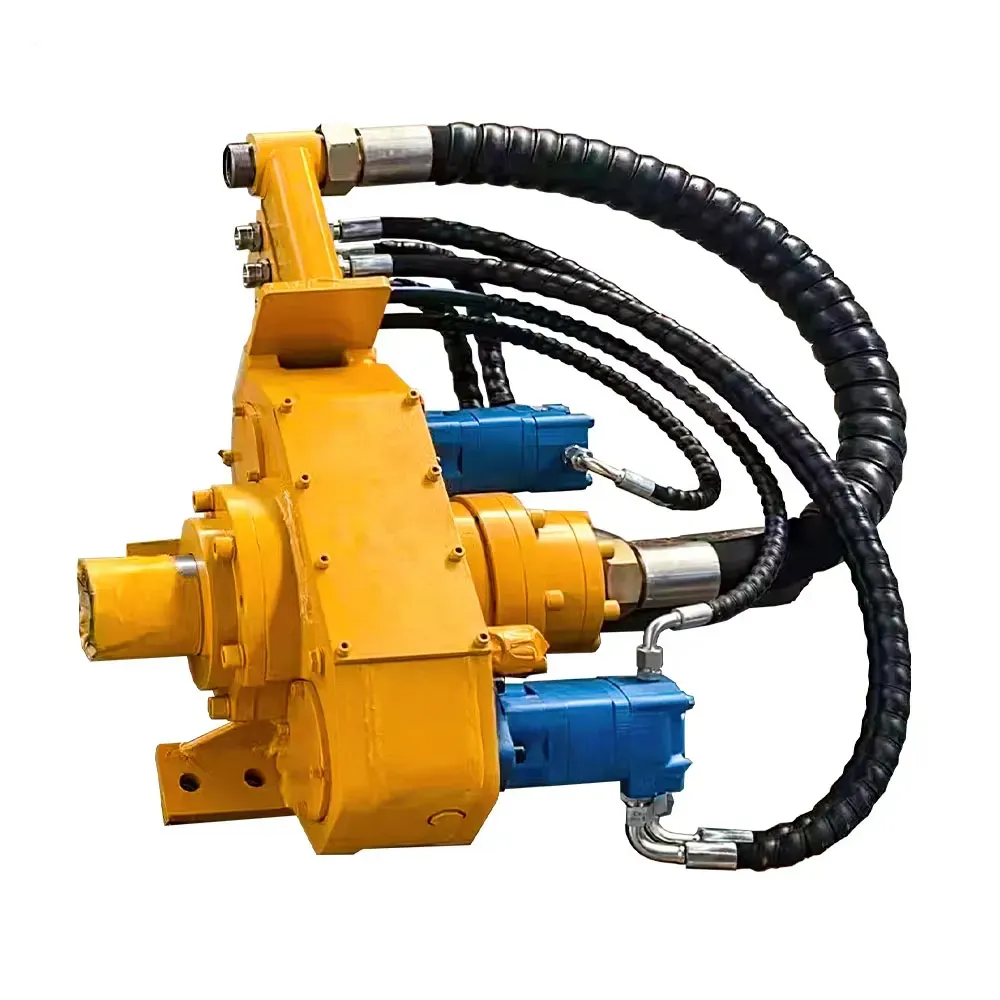
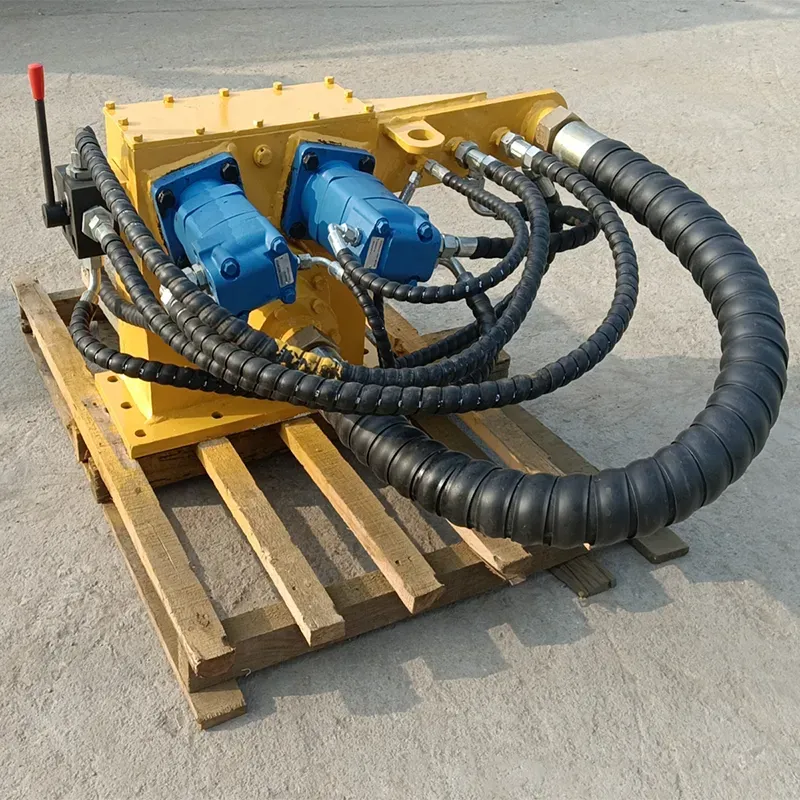
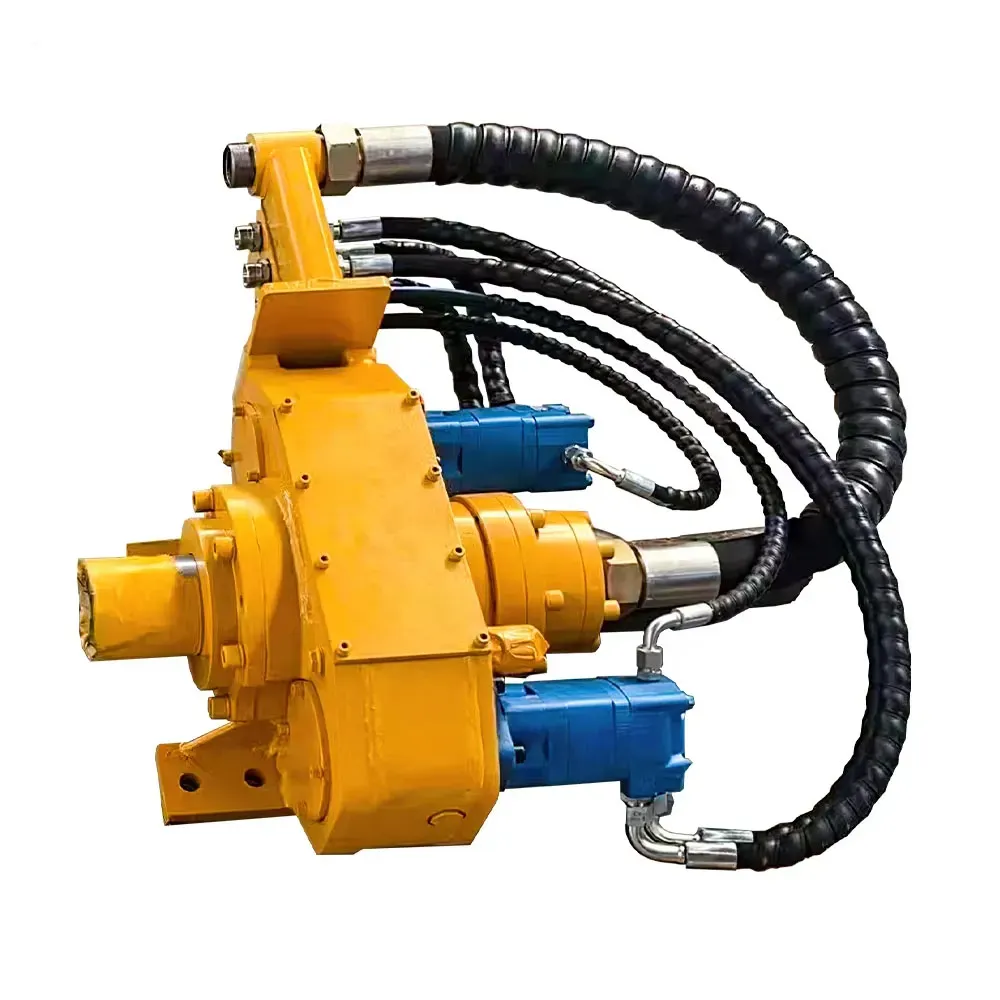
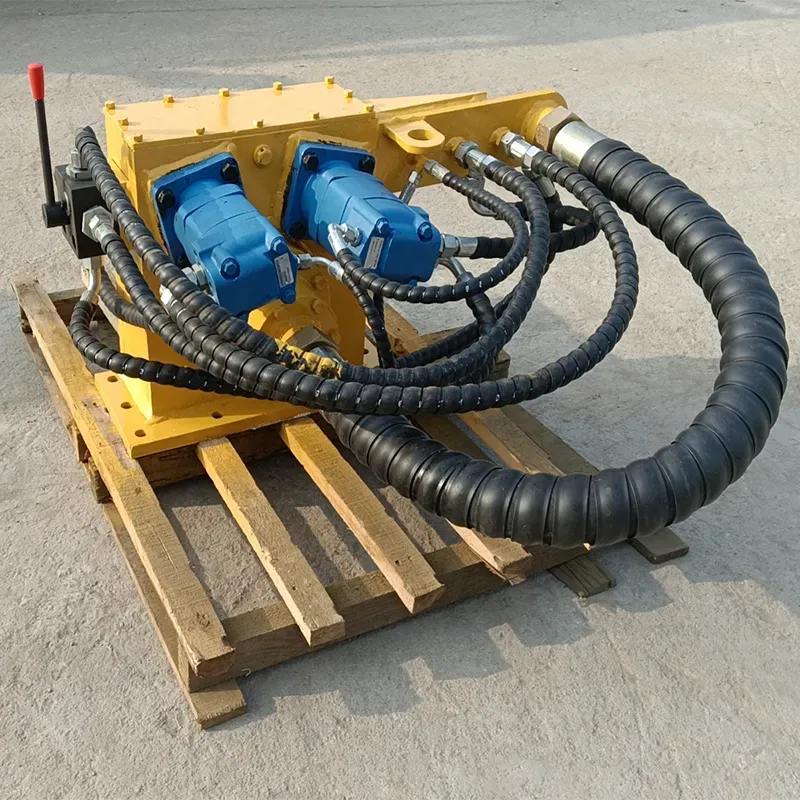
The key structure consists of five units: the power drive unit (hydraulic motor or motor/diesel engine) provides power; the reduction transmission mechanism reduces speed and increases torque; the spindle assembly connects the drilling tool, and some have through holes for drilling fluid circulation; the clamping and tripping device fixes the drill pipe and enables automatic loading and unloading; the cooling and lubrication system ensures the stable operation of components.
Selection should be based on scenarios: mechanical power heads are suitable for shallow holes and soft formations; hydraulic power heads are suitable for medium-deep holes and hard rock formations; hydraulic types are preferred for efficient and continuous operations, while mechanical types can be selected for small-scale operations.
_%25E7%25BB%2593%25E6%259E%259C-1.webp&w=3840&q=100)
_%25E7%25BB%2593%25E6%259E%259C.webp&w=3840&q=100)
_%25E7%25BB%2593%25E6%259E%259C.webp&w=3840&q=90)
_%25E7%25BB%2593%25E6%259E%259C.webp&w=3840&q=90)
_%25E7%25BB%2593%25E6%259E%259C.webp&w=3840&q=90)
Model Numbers
Application
The power head of a water well drilling rig is the core component of water well drilling. It is responsible for driving the drilling tool to rotate and break rock formations, and cooperates with the feeding system to control the drilling process, directly affecting drilling efficiency and depth.
Prices and pictures are for reference only. Actual quotes will be provided based on specific requirements. We have a professional technical and service team that strives to make everything perfect.
| Model/Item | Unit | CS200 | CS300 | CS400 | CS600 | CS1000 |
| Model | / | CS200 | CS300 | CS400 | CS600 | CS1000 |
| Drilling Depth | m | 200 | 300 | 400 | 600 | 1000 |
| Rotary speed | rpm | 60-120 | 70-140 | 70-140 | 70-140 | 70-140 |
| Rotary Torque | N.m | 5700 | 9700 | 12000 | 7750 | 16000 |
| Hydraulic Motor | / | BM5-305 | BMV-310 | BMV-400 | BMV-500 | BM6-1000 |
| Weight | kg | 220 | 275 | 280 | 400 | 500 |
| Dimensions(L*W*H) | mm | 900x650x570 | 1100x850x550 | 1100x850x550 | 1150x750x500 | 1300x900x600 |
_%E7%BB%93%E6%9E%9C.webp)
_%E7%BB%93%E6%9E%9C.webp)
_%E7%BB%93%E6%9E%9C.webp)